Legal vs. Informational Prenatal Paternity Testing in Florida
Why Prenatal DNA Testing Matters in Florida
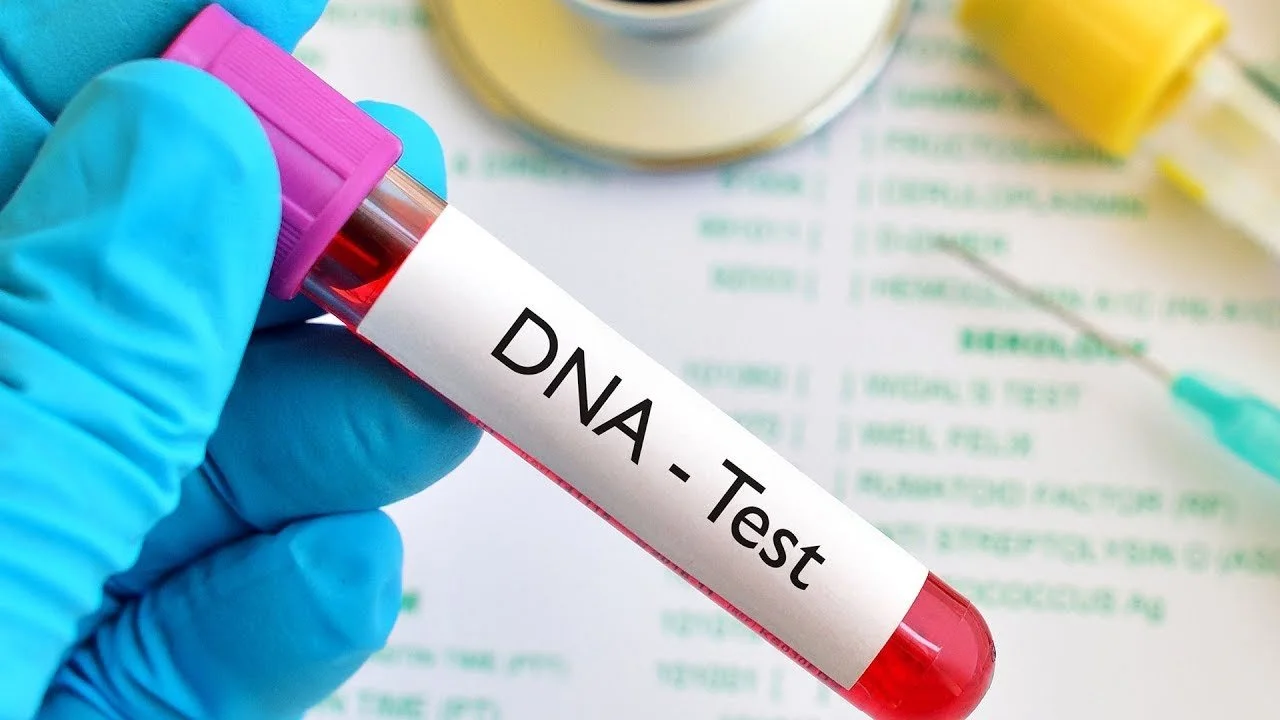
Prenatal DNA testing gives Florida families clear answers during pregnancy for both peace of mind and legal planning. Non‑invasive prenatal paternity (NIPP) testing uses advanced fetal DNA analysis from the mother’s blood to safely determine biological fatherhood as early as 7 weeks. This guide explains the costs, process, and benefits of prenatal DNA testing in Florida and helps you connect with trusted local providers.
Can I Get a Prenatal Paternity Test Near Me in Florida?
Yes. GameDay DNA provides non‑invasive prenatal paternity testing throughout Florida via a large network of accredited labs and collection centers. Whether you’re in Altamonte Springs, Apalachicola, Apopka, Belleair Bluffs, Boca Raton, Boynton Beach, Bradenton, Brandon, Brooksville, Casselberry, Clearwater, Clermont, Coral Gables, Coral Springs, Crestview, Crystal River, Daytona Beach, Deerfield Beach, Delray Beach, Doral, Fernandina Beach, Fort Lauderdale, Fort Walton Beach, Hialeah, Hollywood, Jacksonville, Jacksonville Beach, Lake Placid, Madison, Miami, Miami Beach, Miami Gardens, Middleburg, Newberry, North Miami Beach, Panama City, Pembroke Pines, Plantation, Plant City, South Miami, Spring Hill, Surfside, Tampa, Weston, Zephyrhills, you can access professional prenatal DNA testing close to home.
If your city is not listed, call 302‑527‑1789 to locate the nearest Florida collection center.
Early Paternity Insights With Non‑Invasive Prenatal Testing
Non‑invasive prenatal paternity testing is the safest, most advanced way to confirm biological fatherhood while you are still pregnant. By analyzing fetal DNA circulating in the mother’s blood, NIPP avoids the miscarriage risks of invasive procedures such as amniocentesis while still providing highly accurate results.

Understanding Prenatal Paternity Testing in Florida: Types, Pricing, and Process
Prenatal paternity testing gives Florida parents clear answers before the baby is born. GameDay DNA offers multiple non‑invasive prenatal DNA testing options so you can choose the right fit for peace of mind, medical planning, or legal use.
At‑Home Non‑Invasive Prenatal Paternity Test (Florida Peace‑of‑Mind Option)
Price: $1,099 + Florida sales tax & shipping
Who This is For
This at‑home prenatal DNA test is ideal if you want private, non‑legal paternity answers during pregnancy and prefer to handle most of the process from home.
How it Works
Mother’s sample: Your OB/GYN, primary care provider, hospital, or local clinic draws a small blood sample. (GameDay DNA does not schedule this step for at‑home kits, so plan your blood draw in advance.)
Alleged father’s sample: A simple cheek swab collected at home using the provided kit.
Key Benefits
100% non‑invasive and safe for mother and baby
Convenient at‑home cheek‑swab collection for the father
Fast results: about 5 business days
Optional rush results in as little as 3 business days (add $100)
Free fetal gender reveal included
Additional alleged fathers: $100 each
Flexible payments: start with a $200 deposit or save $100 by paying in full
Why Choose this Florida Prenatal Test?
Choose this option if you want early answers (as soon as 7 weeks pregnant), maximum privacy, and a budget‑friendly, non‑legal NIPP test.
Non‑Invasive Prenatal Paternity Test – Informational Clinic Option
Price: $1,299 + Florida sales tax
Who This is For
This option is best if you prefer professional, in‑clinic sample collection but only need results for personal information rather than court.
How it Works
Both the mother and alleged father visit an accredited collection site for blood draw and cheek‑swab collection by trained staff.
Key Benefits
Safe and non‑invasive for mother and baby
Professional, discreet sample collection in a clinical setting
Results in about 5 business days (rush option +$100)
Free gender reveal
Additional alleged fathers: $200 each
Payment options: $400 deposit or save $100 with full payment
Why Choose this Test?
If you want maximum confidence from clinic‑based prenatal DNA testing in Florida—without needing legal paperwork—this informational NIPP test is a strong choice.
Legal Non‑Invasive Prenatal Paternity Test (Court‑Ready NIPP in Florida)
Price: $1,499 + Florida sales tax
Who This is For
Select this option if you need prenatal DNA results that can be used for Florida court cases involving custody, child support, or other legal matters.
How it Works
Mother and alleged father visit an authorized collection facility where staff follow strict chain‑of‑custody procedures for all samples.
Key Benefits
Notarized, court‑admissible paternity report
Non‑invasive and safe for mom and baby
Results in about 5 business days (rush +$100)
Free fetal gender reveal
Additional alleged fathers: $200 each
Flexible payment plans: $400 deposit or save $100 by paying in full
Why Choose this Legal NIPP Test
If you need legally defensible prenatal paternity results in Florida, this legal non‑invasive prenatal DNA test is the gold standard.
Why Trust GameDay DNA for Prenatal DNA Testing in Florida?
Expertise: All NIPP tests use advanced non‑invasive prenatal DNA technology in accredited laboratories.
Experience: The team has years of experience with prenatal paternity testing and Florida family‑law requirements.
Authority: Legal tests follow strict chain‑of‑custody standards so results hold up in court.
Trust: Your privacy, safety, and clear communication are prioritized throughout the process.
Ready to order or ask questions? Call 302‑527‑1789 for a confidential consultation and help choosing the right Florida prenatal DNA test.
Prenatal Paternity Testing Near Me in Florida: Key Things to Know
When comparing prenatal paternity test providers in Florida, focus on:
Safety: Choose non‑invasive NIPP tests that are safe for both mother and baby.
Accuracy: Make sure your DNA samples are processed by an AABB‑accredited laboratory for dependable results.
Purpose: Decide whether you need peace‑of‑mind only or a legal, court‑ready prenatal DNA test, then select the matching service.
How the Florida Prenatal Paternity Testing Process Works
Step 1 – Schedule your appointment
Contact GameDay DNA to schedule testing at a local collection center or order an at‑home prenatal DNA kit if that option fits your needs.
Step 2 – Sample collection
A small blood sample is drawn from the mother to capture fetal DNA, and a cheek swab is collected from the alleged father.
Step 3 – Lab analysis
An accredited lab uses advanced genetic technology to compare the fetal DNA profile with the alleged father’s DNA.
Step 4 – Receive your results
Results are usually ready within 5 business days, with expedited options for urgent cases.
Florida DNA Testing Requirements and Legal Resources
In Florida, individuals seeking to establish paternity have access to a range of resources and services. The Florida Department of Revenue Child Support Program plays a central role in paternity determination, offering assistance with genetic testing, establishing legal paternity, and enforcing child support orders. Hospitals and birthing centers in the state provide unmarried parents with the opportunity to complete voluntary acknowledgment of paternity (VAP) forms shortly after the child's birth. Additionally, legal aid organizations and family law attorneys are available to provide guidance and representation to parents navigating the paternity establishment process through the court system. These resources are essential for ensuring that children in Florida receive the legal recognition and financial support they need from both parents.
Frequently Asked Questions About Prenatal Paternity Tests in Florida
What is a non-invasive prenatal paternity test in Florida?
A non‑invasive prenatal paternity test (NIPP) analyzes cell‑free fetal DNA from the pregnant mother’s blood to determine biological fatherhood during pregnancy, using the same type of DNA technology accepted in court‑ordered paternity cases. Florida law on scientific paternity testing, in Florida Statutes § 742.12, authorizes “scientific tests that are generally acceptable within the scientific community to show a probability of paternity,” which is the legal framework NIPP fits into when used as evidence.
How does non-invasive prenatal paternity testing work in Florida?
With a NIPP test, the mother provides a blood sample and the alleged father provides a painless cheek‑swab sample; a lab then compares fetal DNA fragments in the mother’s bloodstream with the alleged father’s DNA profile to calculate the probability of paternity. Florida’s Child Support Program describes its standard (post‑birth) genetic testing as collecting cheek‑swab DNA samples from the mother, child, and alleged father at a local child support office and sending them to an accredited lab, as outlined here: Florida Child Support Program – Genetic Testing.
Are prenatal paternity test results court-admissible in Florida?
Florida Statutes § 742.12(1)–(3) provide that, in any proceeding to establish paternity, the court may require the child, mother, and alleged father to submit to scientific tests, that the tests must be conducted by a qualified technical laboratory, and that the test results and lab opinions “shall be filed with the court” and are admissible unless a written objection is filed in time. Under § 742.12(4), “a scientific test result of 95 percent or more” probability of paternity “creates a rebuttable presumption” that the alleged father is the biological father, giving properly obtained DNA test reports significant evidentiary weight in Florida paternity cases.
How are DNA samples collected for a prenatal paternity test in Florida?
For NIPP, the mother’s DNA is collected with a standard blood draw and the alleged father’s DNA is collected with a sterile cheek swab, which is similar to Florida’s standard cheek‑swab process for court‑ordered or administrative testing. The Florida Child Support Program explains that its genetic testing “starts with collection of samples from the mother, child and alleged father,” that samples are collected “by rubbing a swab on the inside of the mouth” at a local child support office, and that the samples are then sent to the lab for testing: https://floridarevenue.com/childsupport/Pages/genetic_testing.aspx.
Are non-invasive prenatal paternity tests safe for Florida mothers and babies?
NIPP is considered non‑invasive because it uses a maternal blood sample and external cheek‑swab DNA from the alleged father rather than procedures like amniocentesis, which carry a small but real risk of miscarriage. Florida’s statutory scheme in § 742.12 requires only that scientific paternity tests be “generally acceptable within the scientific community” and conducted by a qualified lab, without requiring any in‑utero procedures, so court‑recognized testing is based on external blood or cheek‑swab specimens: Florida Statutes § 742.12.
How early in pregnancy can I get a prenatal paternity test in Florida?
Many private labs that operate in Florida advertise NIPP availability starting around 7–9 weeks of pregnancy, once there is enough fetal DNA in the mother’s bloodstream for accurate testing. Florida law itself assumes that court‑ordered testing happens in the context of a paternity proceeding under § 742.12 or an administrative action under § 409.256, both of which speak in terms of testing the child, mother, and alleged father after birth, so parents wanting early answers typically use private NIPP and can later rely on statutory DNA testing to confirm paternity if a case is filed.
How is paternity legally established in Florida if I use DNA testing?
The Florida Child Support Program explains that paternity can be established by marriage, by signing a Voluntary Acknowledgment of Paternity (DH‑432), by an administrative process through the Department of Revenue with genetic testing, or by a court order in a civil paternity action: Florida Child Support – Establish Paternity. When the Department of Revenue (DOR) uses its administrative process under § 409.256, Florida Statutes, it may arrange free genetic testing for the mother, child, and alleged father; if the accredited lab confirms paternity, DOR issues an Administrative Order of Paternity that has the same effect as a court order and directs the Office of Vital Statistics to add the father’s name to the birth certificate.
Who pays for genetic testing, and where can I get help with paternity or child support in Florida?
The Florida Child Support Program notes that when genetic testing is done through the program, it is typically at no cost to the parent receiving services, with costs potentially recovered from the father if he is confirmed as the biological parent, as described on the official genetic‑testing page: https://floridarevenue.com/childsupport/Pages/genetic_testing.aspx. Florida Statutes § 742.12(5)–(6) allow parties to request additional testing at their own expense and recognize verified documentation of the chain of custody as competent evidence, while parties can get help initiating paternity or child‑support cases through the Department of Revenue’s online paternity portal: https://floridarevenue.com/childsupport/Pages/paternity.aspx.
Reliable Prenatal DNA Testing Services Across Florida
Prenatal DNA testing gives you clarity and control during pregnancy, whether you need reassurance at home or legal documentation for the future. With safe, accurate non‑invasive prenatal paternity testing, Florida families can confirm biological relationships early without risking the health of the mother or baby.
GameDay DNA delivers trusted NIPP testing options—at home, in clinic, and court‑ready—backed by accredited laboratories and clear guidance at every stage.
Ready to schedule a prenatal paternity test in Florida? Call 302‑527‑1789 to speak with GameDay DNA and choose the best non‑invasive prenatal DNA testing option for your situation.

Get Prenatal Paternity Answers During Pregnancy
GameDay DNA’s non-invasive prenatal paternity test, also called a NIPP test, provides confidential paternity answers during pregnancy without amniocentesis or chorionic-villus sampling.
This non-legal, informational DNA test compares fetal cell-free DNA found in the pregnant mother’s blood with DNA from the alleged father’s cheek-swab sample. The alleged father can collect his cheek swab at home. The pregnant mother must have her blood collected by a qualified healthcare professional.
Important:This is not a completely at-home test. GameDay DNA ships the collection kit directly to you, but the expectant mother’s blood draw must be arranged and paid for separately by the customer through an OB/GYN, primary-care provider, clinic, hospital, mobile phlebotomist, or other qualified healthcare provider.
This product is intended for personal knowledge only. It is not for court, child support, custody, immigration, birth-certificate changes, Social Security, or any other legal or government purpose.
Quick Facts About This Test
What is this test?
A non-legal, informational non-invasive prenatal paternity test
Is the test fully at home?
No. The alleged father’s cheek swab can be collected at home, but the pregnant mother needs a professional blood draw
What samples are required?
Two full vials of blood from the pregnant mother and a cheek swab from the alleged father
Who arranges the blood draw?
The customer arranges and pays for the pregnant mother’s blood draw with a qualified healthcare provider
When are results ready?
Standard results: 5 business days after the laboratory receives all acceptable required samples. Express results: as little as 3 business days for an additional fee
Can the results be used in court?
No. This is a non-legal test for personal knowledge only
How accurate is the test?
The laboratory reports 99.9% accuracy when eligibility, sample collection, and laboratory requirements are met
How do I pay?
Start with a $200 deposit, pay in full, or select eligible third-party payment options at checkout
How Prenatal Paternity Testing Works
1. Order Your Prenatal Paternity Test Kit
Order online and receive the DNA collection kit at your home. The kit includes the materials and instructions needed to collect and return the alleged father’s cheek-swab sample and prepare the mother’s blood sample for shipment.
2. Arrange the Mother’s Blood Draw
The expectant mother must arrange a blood draw with a qualified healthcare provider, such as an OB/GYN, primary-care office, local clinic, hospital, or mobile phlebotomist. The customer is responsible for any collection fee charged by that provider.
Please confirm that your provider can perform the blood draw before ordering whenever possible. The provider must follow the collection instructions supplied in the kit.
3. Collect the Alleged Father’s Cheek Swab at Home
The alleged father uses the included cheek-swab materials to collect a DNA sample at home. This process is non-invasive and does not require a blood draw.
For best results, follow the included instructions carefully. You can also review the buccal swab collection instructions.
4. Return All Required Samples
Return the pregnant mother’s professionally collected blood sample and the alleged father’s cheek swab following the kit instructions. The laboratory begins processing after it receives all required samples and confirms they are suitable for testing.
5. Receive Confidential Results
The laboratory analyzes fetal cell-free DNA from the mother’s blood and compares it with DNA from the alleged father’s cheek-swab sample. Once analysis is complete, GameDay DNA provides your confidential report.
Who Needs to Participate?
Expectant mother: Two full vials of blood collected by a qualified healthcare professional.
Alleged father: A cheek-swab DNA sample that may be collected at home.
Turnaround Time
Standard service: Results are typically available within 5 business days after the laboratory receives all required, acceptable samples.
Express service: Results may be available in as little as 3 business days for an additional fee.
Shipping time, the timing of the blood-draw appointment, sample quality review, laboratory workload, and any requested recollection can affect the total time from order to results.
Eligibility and Important Limitations
This product is intended for personal knowledge and is not legally admissible. If you need DNA results for court, custody, child support, immigration, a birth certificate, Social Security, or another official purpose, contact GameDay DNA before ordering to discuss a legal prenatal paternity test.
This test may not be suitable for:
Cases involving related alleged fathers
Pregnancies with multiple fetuses
IVF pregnancies
Individuals with a history of bone-marrow or stem-cell transplant
Individuals with a history of blood transfusions
Any situation requiring a legal, court-admissible DNA result
If any of these apply to your situation, contact GameDay DNA before ordering. Additional eligibility review or a different testing option may be necessary.
Accuracy and Laboratory Method
This non-invasive prenatal paternity test uses next-generation sequencing to analyze more than 2,688 genetic markers. The laboratory reports 99.9% accuracy when all participant eligibility requirements, collection instructions, sample-quality standards, and laboratory procedures are met.
The test is non-invasive because it uses a standard blood draw from the pregnant mother and a cheek-swab sample from the alleged father. It does not require amniocentesis or chorionic-villus sampling.
Payment Options
GameDay DNA offers flexible ways to pay for eligible orders:
Start testing with a $200 deposit and pay the remaining balance when results are ready
Pay in full at the time of order
Use available third-party payment options, including PayPal, Klarna or Afterpay, when eligible
Afterpay and other third-party financing decisions are made by the payment provider. GameDay DNA does not control approval decisions, eligibility, or payment terms.
Need Help Before Ordering?
If you have questions about eligibility, arranging the mother’s blood draw, choosing between a legal and non-legal prenatal paternity test, turnaround time, or payment options, contact GameDay DNA before ordering.
Call 302-527-1789 or email info@gamedaydna.com.
Follow us on Instagram and Twitter! If you have questions about paternity tests or other DNA testing services, please contact our Client Support Center at 302-529-1789, Monday-Friday from 8:30 AM to 5:30 PM Eastern Time. Our friendly, expert representatives are ready and happy to help. Get answers anytime by visiting our Help Center.
