Legal DNA Testing for Attorneys, Courts & Government Agencies

Legal DNA testing is designed for matters that may require a documented DNA report, including parentage, child support, custody, inheritance, estate, adoption, benefits, or other agency and legal matters. GameDay DNA can help clients and referring professionals request legal DNA testing with professional collection, participant identity verification, and documented chain of custody.
The court, agency, attorney, or other organization receiving the report determines whether it meets the requirements for a specific matter. Before scheduling, confirm whether the organization requires a particular laboratory, case number, participant arrangement, collection procedure, or report-delivery process.
GameDay DNA does not provide or coordinate immigration DNA testing. For U.S. immigration, visa, passport, citizenship, embassy, or consular DNA cases, we refer clients directly to DNA Diagnostics Center (DDC), an AABB-accredited relationship-testing facility.
What Is Legal DNA Testing?
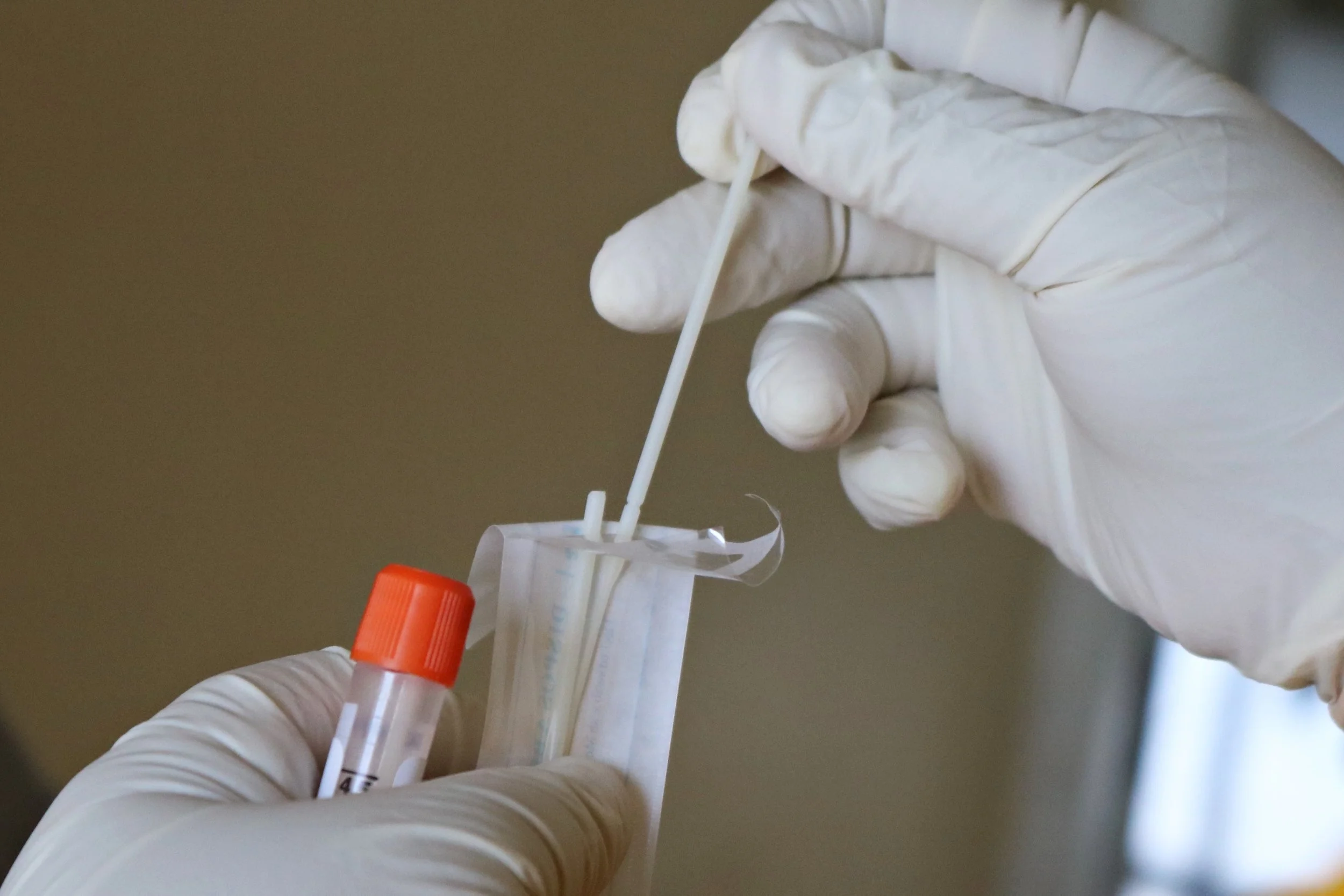
Legal DNA testing is a DNA-testing process intended for official-use matters. It differs from an at-home DNA test because samples are collected by a trained collector, participants are identified, and the collection is documented through a chain-of-custody process.
What Legal DNA Collection Includes
Professional sample collection
Participant identity verification
Required consent and collection documentation
Sample labels and handling procedures
Chain-of-custody records
Submission to the appropriate laboratory process
Report delivery through the required channel, when applicable
Legal DNA testing may be appropriate when a result will be provided to a court, attorney, child-support office, government agency, estate representative, or another official organization.
What Legal DNA Testing Does Not Guarantee
Legal collection does not guarantee that a court, government agency, attorney, or other organization will accept a specific DNA report. The receiving organization determines its own requirements and decides what evidence it will accept.
Legal DNA Testing for Parentage and Family Law Matters
Legal paternity or maternity DNA testing may be requested for parentage proceedings, child support, custody, visitation, adoption, guardianship, or other family-law matters. The appropriate test depends on the relationship being evaluated and the requirements of the court, attorney, or agency involved.
Legal Paternity DNA Testing
Legal paternity DNA testing compares DNA from a child and an alleged father. It may be used in a parentage matter when a court, attorney, child-support office, or other organization requests documented DNA testing.
The alleged father and child are generally the primary participants. The mother may also participate when recommended by the laboratory or required for the case.
Schedule Legal Paternity DNA Testing
Legal Maternity DNA Testing
Legal maternity DNA testing compares DNA from a child and an alleged mother. It may be used when maternity must be evaluated for a court, agency, vital-records, estate, adoption, or other official matter.
Learn About Legal Maternity DNA Testing
Legal Relationship DNA Testing
Legal relationship DNA testing may evaluate possible sibling, grandparent, aunt/uncle, or other family relationships when a direct paternity or maternity test is unavailable. These are indirect relationship tests, so the most appropriate participants depend on the family situation.
Legal DNA Testing for Inheritance, Benefits, and Vital Records
Legal DNA testing may be used as supporting evidence in inheritance, estate, probate, survivor-benefit, Social Security, insurance, adoption, guardianship, birth-record, or other agency matters. The organization reviewing the matter determines what records, legal documents, and DNA-testing process are required.

Before Scheduling an Estate or Benefits DNA Test
Confirm the requirements with the estate representative, probate court, attorney, benefit administrator, insurer, vital-records office, or other organization involved. Ask whether it requires a direct parent-child test, a relationship test, a specific laboratory, a legal collection process, or direct report delivery.
When a Direct Parent Cannot Test
If an alleged parent is unavailable, relationship DNA testing may be considered using available relatives such as grandparents, siblings, or aunts and uncles. These tests may provide indirect relationship evidence, but they do not replace a direct parent-child test when that test is available.
How Does Legal DNA Testing Work?
Legal DNA testing follows a documented collection process. The goal is to identify each participant, collect samples properly, and create a record of how the samples are handled before laboratory analysis.
Step 1: Confirm the Required Test and Purpose
Identify the relationship being evaluated and the purpose of the report. Ask whether the case involves court, child support, custody, inheritance, adoption, benefits, vital records, an attorney, or another official organization.
Step 2: Confirm Case Requirements
Before scheduling, confirm whether the receiving organization requires a case number, court order, attorney letter, agency paperwork, specific laboratory, particular participants, or a direct-reporting process.
Step 3: Schedule a Legal Collection Appointment
Schedule an appointment at an available legal DNA collection location. Confirm that the site supports the type of legal DNA testing you need and can collect samples from every required participant.
Step 4: Verify Identity and Collect Samples
Adult participants generally need current government-issued photo identification. Minors may need identification or supporting documents accepted by the collection site. A trained collector verifies identity, obtains DNA samples—often cheek swabs—and completes the collection paperwork.
Step 5: Chain of Custody and Laboratory Processing
The collector follows the required sample-handling and documentation process. Chain of custody records how samples are identified, collected, secured, transferred, and submitted for analysis. This documentation is a key part of a legal DNA-testing workflow.
Step 6: Receive or Submit the Report
Result timing and report delivery depend on the laboratory, test type, participant count, documentation, and any required review. Confirm who receives the report and whether it must be delivered directly to a court, agency, attorney, or other organization.
What Should Participants Bring to a Legal DNA Test Appointment?
Requirements can vary by test type, collection location, laboratory, court, agency, and case. Confirm the appointment instructions before arriving.

Adult Participants
Current government-issued photo identification
Appointment confirmation
Court, attorney, agency, or case paperwork, if applicable
Payment method or confirmation of payment, if required
Child or Minor Participants
A parent, legal guardian, or person with legal authority may need to be present or provide consent. Bring identification or supporting documents accepted by the collection site. Requirements vary, so confirm them before the appointment.
Legal and Agency Case Documents
Bring any court order, case number, attorney letter, agency notice, benefit claim documentation, or collection instructions that apply to the case. Ask the receiving organization whether it needs the report delivered directly.
Legal DNA Testing Referrals for Attorneys, Courts, and Agencies
Attorneys, court staff, caseworkers, agencies, guardians ad litem, probate professionals, and other referring professionals can contact GameDay DNA to request a legal DNA testing appointment for an eligible matter. Provide the relationship to be evaluated, the names or number of participants, preferred collection city or cities, and whether a case number, court order, attorney instructions, or direct report delivery is required.

Information to Include in a Referral
The relationship to be evaluated
The purpose of the DNA report
The number of participants
Participant locations or preferred collection cities
Whether each participant is an adult or minor
Court, agency, attorney, or case contact information
Case number or case documentation, if applicable
Whether the report needs to be sent directly to a court, agency, attorney, or other organization
Any deadline or hearing date, if known
Important Referral Notice
GameDay DNA can help coordinate an appointment request for legal DNA testing. The testing laboratory issues the DNA report, and the receiving court, agency, attorney, or organization determines whether the report meets the needs of the matter.
Immigration DNA Testing Is Referred Directly to DDC
GameDay DNA does not perform, collect, schedule, or coordinate immigration DNA testing. If you need DNA testing for a U.S. immigration, visa, passport, citizenship, embassy, or consular matter, start directly with DNA Diagnostics Center (DDC), an AABB-accredited relationship-testing facility.
Do not use an at-home DNA kit or a standard legal DNA appointment for an immigration case. Immigration testing must follow the process required by the requesting government authority and the AABB-accredited laboratory managing the case.

Legal DNA Testing FAQs for Attorneys, Courts, and Agencies
-
A legal DNA test uses professional sample collection, participant identity verification, required documentation, and a documented chain-of-custody process. This distinguishes it from an at-home DNA test, which is for personal knowledge only.
-
No. At-home DNA kits are intended for non-legal personal knowledge. They do not include the professional identity verification and documented chain of custody typically required for court and official-use cases.
-
No. Legal DNA testing is designed for official-use matters, but the court, agency, attorney, or other organization receiving the report determines whether it will accept a specific result. Confirm case requirements before testing.
-
Legal DNA testing may be available for paternity, maternity, sibling, grandparent, aunt/uncle, twin, and other relationship-testing situations. The correct test depends on the biological relationship being evaluated and which relatives are available to participate.
-
The alleged father and child are generally the primary participants in a direct paternity test. The mother may also participate when recommended by the laboratory or required by the court, attorney, or agency involved.
-
If the alleged father cannot test, an indirect relationship DNA test may be considered. Depending on the available relatives, this may include grandparent, sibling, or aunt/uncle DNA testing. Indirect tests do not provide the same direct comparison as a father-child paternity test.
-
Adults generally need current government-issued photo identification. A minor may need identification or supporting documents accepted by the collection location. The case may also require consent from a parent, legal guardian, or authorized person. Confirm requirements before the appointment.
-
Legal DNA testing may be used as supporting evidence for an estate, inheritance, probate, benefit, or related matter when the appropriate collection and documentation process is followed. Confirm the requirements with the probate court, estate representative, attorney, or other organization handling the matter.
-
Timing depends on the test type, number of participants, sample receipt, laboratory processing, documentation, and any additional review or rush processing. Ask for the current estimated turnaround time before scheduling.
-
GameDay DNA does not provide or coordinate immigration DNA testing. Immigration cases must start directly with the appropriate AABB-accredited relationship-testing facility and follow the instructions of the requesting government authority.
-
Contact GameDay DNA with the relationship being evaluated, the number of participants, preferred collection city or cities, the intended use of the report, and any court, agency, attorney, or case requirements. We can help identify the next step for a legal DNA testing appointment.
Request Legal DNA Testing for Your Case or Client
If you need DNA testing for a parentage, child-support, custody, inheritance, estate, adoption, benefit, agency, or other official matter, begin by confirming the relationship to be evaluated and the requirements of the organization receiving the report.
GameDay DNA can help you request an available legal DNA collection appointment, identify the participants who may need to test, and explain what documentation to confirm before scheduling.