


Reconnecting with a child after an absence starts with checking that contact is safe and permitted, understanding the child’s needs, and planning small steps you can consistently maintain. A sincere intention matters, but rebuilding a relationship requires more than announcing that you are ready to return.
Children benefit from stable routines and supportive parenting. Guidance from the American Academy of Pediatrics emphasizes positive involvement by parents who are safe, capable caregivers, along with consistency and reduced conflict between adults.
This guide focuses on reconnecting with a minor child after a period of limited or no contact. It is general information, not a substitute for legal advice or an individualized therapeutic plan.
Start With Safety and Existing Contact Arrangements
Before contacting the child, review any custody orders, parenting plans, protective orders, or restrictions that may apply. If you are unsure what is permitted, speak with a qualified family-law attorney before acting.
Do not arrive unexpectedly at a home, school, activity, or collection point. Coordinate contact through the authorized caregiver, agreed communication channel, or appropriate professional.
A structured reconnection plan may need to address supervision, frequency, location, and when arrangements will be reviewed. Those decisions should reflect the circumstances rather than follow a universal schedule.
If there has been violence, abuse, stalking, or another safety concern, do not treat this as an ordinary co-parenting disagreement. Professional and legal guidance should come before attempts to increase contact.
Understand What “Reconnecting” Means in Your Situation
Geographical distance, an interrupted relationship, and prolonged estrangement are not the same problem.
A father who already has a positive relationship but lives far away may need a dependable communication routine. A father returning after years without contact may need a more carefully supported introduction. A child who associates contact with distress may need professional assessment before any plan moves forward.
Describe the history honestly when seeking help. A reconnection plan should account for the child’s current relationships, daily routine, and response—not only the returning parent’s preferred outcome.
Acknowledge the Absence Without Asking the Child to Comfort You
Prepare to recognize what the child experienced. Avoid making your first conversation a defense of every past decision or an argument about which adult was responsible.
An opening might be: “I have not been present in the way I wanted to be. I know that may have been confusing or hurtful. I would like to listen and take things slowly.”
Adapt that wording to what is true. If you made a specific promise and did not keep it, acknowledge it directly.
Do not ask the child to relieve your guilt, reassure you, or forgive you immediately. The purpose of the conversation is to make room for their experience, not secure a particular response.
Coordinate With the Child’s Parent or Caregiver
Where contact is safe and permitted, communicate with the person responsible for the child’s everyday care.
Focus on practical questions: What contact is currently allowed? What does the child know? What routine should be protected? Would professional support help? How will adults communicate about arrangements?
Keep disagreements between adults out of the child’s role. Do not ask the child to deliver messages, obtain permission on your behalf, or choose sides.
The American Academy of Pediatrics advises separated parents to reduce conflict, cooperate around their child’s needs, and maintain predictable routines.
A possible message to the caregiver is: “I would like to discuss whether contact can be introduced in a way that is safe, consistent, and appropriate for the child. I am willing to follow the current arrangements and seek professional guidance where needed.”
Begin With an Appropriate, Manageable Plan
There is no single first step that fits every family. Depending on the circumstances, an agreed introduction might involve a letter, a brief call, or a supported visit. In other situations, direct contact may not yet be appropriate.
Avoid moving immediately from little contact to long visits or overnight stays. Reconnection guidance recommends a gradual plan that protects routines, considers supervision where needed, and checks how the child is responding.
Do not promise a schedule you cannot maintain. A smaller commitment that you reliably keep is more useful than ambitious plans that repeatedly fall through.
Build Reliability Through Ordinary Follow-Through
Trust is not rebuilt only through important conversations. Keeping agreed calls, arriving on time, respecting collection arrangements, and communicating appropriately about changes demonstrate reliability.
The American Academy of Pediatrics specifically emphasizes keeping promises to visit or spend time with a child and notes that a predictable schedule may be comforting.
If you miss an agreed contact, acknowledge it without blaming the child. Explain the change through the appropriate adult channel and follow the process for arranging another opportunity.
Avoid using gifts, expensive outings, or dramatic promises as substitutes for dependable involvement. Focus on getting to know the child’s interests and participating within the agreed boundaries.
Let the Child Have Their Own Feelings
A child may be curious, pleased, cautious, angry, or unsure. Do not interpret one warm interaction as proof that everything is resolved, or one difficult interaction as proof that the relationship cannot change.
Ask open questions without demanding disclosure. “Is there anything you want me to understand?” may be more useful than “Why won’t you trust me?”
Respect boundaries around affection, names, photographs, and personal questions. Do not pressure the child to say “Dad,” offer a hug, or perform closeness for others.
If the child becomes distressed or the plan is repeatedly difficult, seek appropriate professional guidance rather than escalating pressure.
Adjust the Approach to the Child’s Age and Circumstances
A young child may need simple explanations and familiar routines. An older child may have more questions about the absence and stronger preferences about communication.
Avoid assuming that age alone determines readiness. The relationship history, safety concerns, existing support, and the child’s response also matter.
A qualified child or family mental-health professional can help assess what is appropriate when the separation has been lengthy or emotionally complicated. Reconnection guidance recommends considering professional support and regularly checking the child’s well-being as arrangements develop.
Staying Connected When You Live Far Away
If the relationship is already safe and contact is authorized, discuss a realistic long-distance routine with the caregiver.
Brief, predictable calls or agreed shared activities may fit better than sporadic, lengthy conversations. Ask what works around school, sleep, activities, and other responsibilities.
Use contact to show interest in the child’s everyday life, not only major milestones. At the same time, avoid making frequent messages or immediate replies a test of the child’s affection.
Keep any travel and in-person arrangements consistent with the parenting plan and applicable requirements. Predictability and follow-through remain important even when contact happens remotely.
When Professional or Legal Support Is Needed
Consider professional guidance when there has been a lengthy absence, repeated conflict, distress during contact, uncertainty about boundaries, or disagreement over an appropriate plan.
A family-law attorney can explain legal rights, responsibilities, and existing restrictions. A qualified mental-health professional can address emotional and developmental concerns. A testing provider cannot fill either role.
If contact must be supervised, follow the designated process. Do not attempt to replace supervised contact with an informal arrangement that conflicts with current requirements.
Where Paternity Testing Fits—and Where It Does Not
A DNA test is relevant only if there is an unresolved question about biological fatherhood. It is not a universal prerequisite for a father to be involved, and it cannot repair a relationship on its own.
Testing should not be presented to a child as a condition of affection or continued care. Keep the biological question separate from the adult work of accountability, safety, and consistent involvement.
If testing is appropriate, confirm consent, authority to test a minor, and whether the report is for personal knowledge or an official matter. A biological result does not itself grant permission to contact or visit a child.
Read our guide to establishing paternity and legal DNA testing before assuming that a DNA report changes legal arrangements.
Frequently Asked Questions About Reconnecting With a Child
How do I reconnect with my child after years apart?
First, confirm that contact is safe and permitted. Seek guidance about an appropriate plan, acknowledge the absence without pressuring the child to forgive you, and make manageable commitments you can maintain. A lengthy separation may require professional support rather than an immediate direct approach.
What should I say in a first conversation?
Use honest, age-appropriate language. For example: “I know I have not been present, and I would like to listen and take things slowly.” Do not promise more than you can deliver or ask the child to make you feel better about the absence.
Should I surprise my child at school or an activity?
No. Arrange contact through the appropriate caregiver, agreed channel, or professional process. An unexpected appearance may conflict with existing arrangements and bypass the preparation a child needs. School or activity attendance should be specifically agreed and permitted.
How long does rebuilding trust take?
There is no guaranteed timeline. Focus on safe, consistent behavior and the child’s response rather than setting a deadline for closeness. Reconnection plans should be reviewed and adjusted as appropriate.
What if my child does not want contact?
Do not respond with guilt, threats, repeated unwanted messages, or an unannounced visit. Seek qualified guidance about the child’s needs and the applicable legal arrangements. Their reluctance should be understood, not treated as an obstacle to overcome through pressure.
How can I stay involved if I live far away?
Where contact is authorized, agree on a realistic communication routine that fits the child’s schedule. Keep your commitments and coordinate changes appropriately. Predictability and continued supportive involvement are important considerations for separated families.
Do I need a paternity test before reconnecting?
Not necessarily. Testing addresses a biological question, not the quality of a relationship or permission for contact. If paternity or legal parentage is uncertain, obtain appropriate testing and legal guidance without assuming DNA analysis is the first step for every family.
Will a positive paternity result give me visitation rights?
A laboratory report does not itself create a visitation schedule or override an existing order. Ask a qualified family-law attorney or the relevant court about the process that applies to your circumstances.
Can GameDay DNA provide family counseling or reunification services?
This article should not be treated as an offer of counseling, supervised contact, or a therapeutic reunification program. Contact an appropriately qualified professional for those services. GameDay DNA’s role here is limited to helping with relevant DNA-testing questions.
Conclusion: Reconnection Starts With the Child’s Needs
Reconnecting after an absence requires more than a desire to return. Start with safety and existing legal arrangements, acknowledge the child’s experience, and build a plan that protects routines and allows appropriate support. Consistent follow-through matters more than promises of an immediate bond.
Progress is not guaranteed, and increased contact is not appropriate in every situation. Respect boundaries and obtain professional guidance when safety, distress, or legal uncertainty is involved.
If biological paternity is genuinely uncertain, contact GameDay DNA to discuss the appropriate testing questions. For parenting arrangements, counseling, or supported reconnection, seek the relevant legal or mental-health professional.
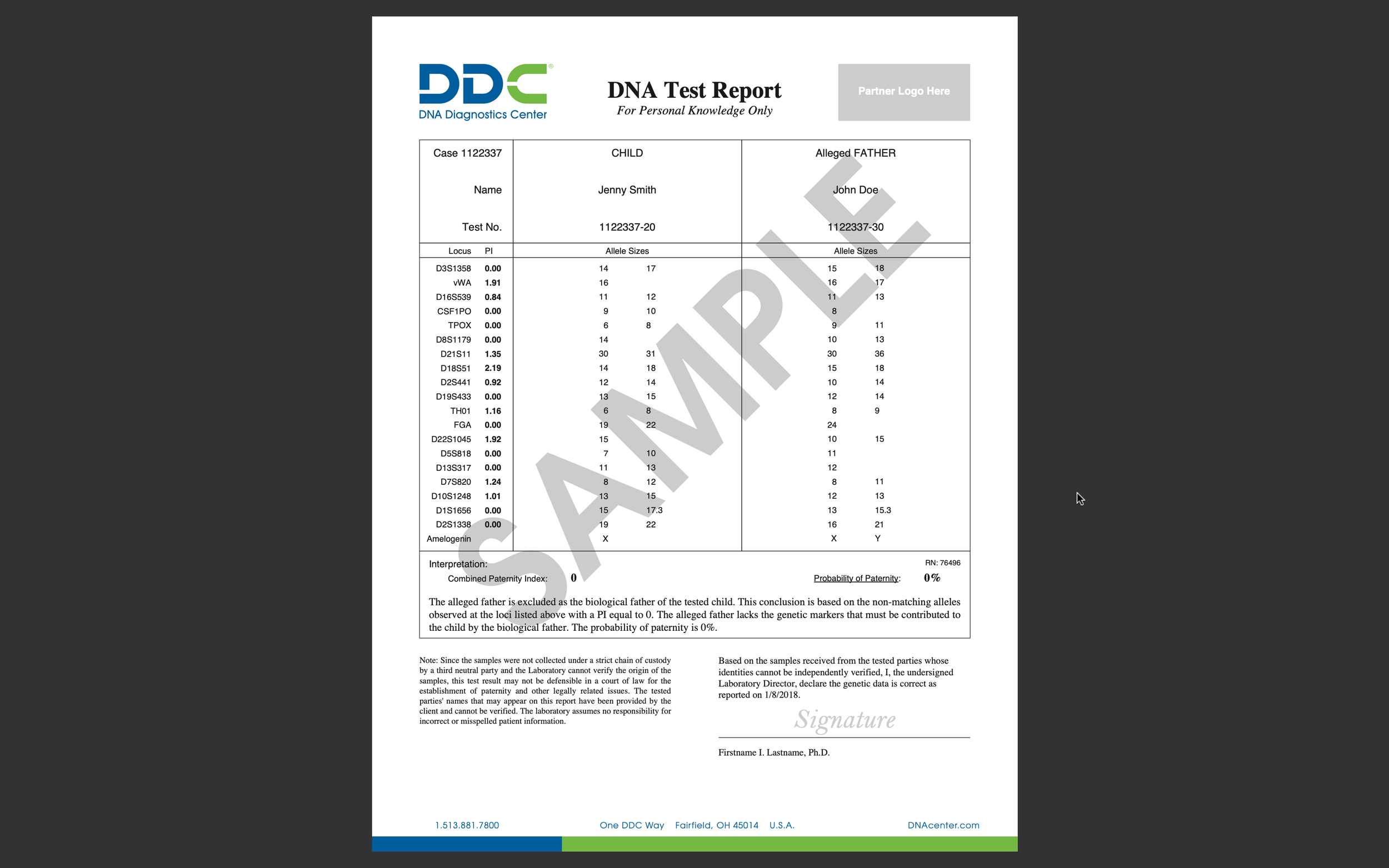
Get confidential paternity answers from home with GameDay DNA’s at-home paternity DNA test kit. This non-legal, informational test compares DNA from an alleged father and child using simple cheek-swab samples.
No blood draw, appointment, clinic visit, or laboratory visit is required. Collect samples privately at home, return them using the prepaid shipping materials, and receive your results by email after the laboratory completes testing.
Important: This is a non-legal, informational DNA test for personal knowledge only. It is not court-admissible and cannot be used for court, child support, custody, immigration, adoption, inheritance, birth-certificate changes, Social Security, or other official matters.
This at-home, non-legal DNA test is not available to residents of New York State, including New York City. New York law requires DNA relationship testing to be performed through a legal testing process with professional sample collection, identity verification, and documented chain of custody.
If you live in New York or need legally admissible results for any purpose, contact GameDay DNA before samples are collected to arrange a legal DNA test with identity verification and documented chain of custody.
Quick facts
What is this test?
A non-legal, informational at-home DNA paternity test
Who needs to participate?
The child and alleged father; the mother may be included if available
What type of sample is used?
A cheek-swab DNA sample from each participant
Is a blood draw required?
No
Is an appointment required?
No. Participants collect cheek-swab samples at home
How long do results take?
Typically within 2 business days after the laboratory receives all required samples
How are results delivered?
By email to the email address provided with the order
Can I use results in court?
No. A legal, witnessed, chain-of-custody test is required for official use
How is the kit shipped?
In a discreet USPS package; the exterior does not identify the type of test ordered
How do I return samples?
Use the prepaid return envelope and drop it at a FedEx location
How the at-home paternity test works
1. Order your at-home paternity test kit
Order your DNA kit online. GameDay DNA ships the kit in a discreet USPS package; the exterior shipping label does not reveal the type of DNA test ordered. Orders placed before 3:00 p.m. are generally shipped the same business day, while later or weekend orders are processed on the next business day. Delivery is typically estimated at 1–3 business days after shipment.
2. Collect cheek-swab samples at home
The child and alleged father each provide a painless cheek-swab sample using the materials included in the kit. The mother may also participate if available, although the basic test compares the alleged father and child.
Wash your hands before collection, follow the step-by-step instructions in the kit, and press each swab firmly against the inside of the cheek as directed. A cheek swab collects cells from the inside of the mouth; no needles or blood draw are needed.
3. Complete the informational paternity form
Complete the Informational Paternity Test Form included with the kit. For privacy, names on the form are not printed on the final report. Results identify participants by their testing roles, such as Alleged Father, Child, and Mother.
4. Return samples to the laboratory
Place each participant’s swab envelope and the completed paternity information form into the prepaid return envelope provided. Return the package through a FedEx office. For the fastest processing, send your samples to the laboratory the same day or the day after collection.
5. Receive confidential paternity results by email
The laboratory begins testing after it receives all required samples. Results are typically available within 2 business days after the lab receives the complete sample set. Your report is delivered to the email address provided with your order.
Who should use this test?
This at-home DNA paternity test is designed for people who want private, personal answers about a possible biological father-child relationship. It may be appropriate if you want information for peace of mind and do not need results for an official matter.
Choose a legal DNA paternity test instead if you may need the report for:
Court, child support, or custody
Immigration
A birth certificate or Social Security matter
Estate, inheritance, or other official documentation
Any proceeding requiring verified identities and documented chain of custody
A self-collected at-home test cannot generally be converted into a legal test after samples have been submitted.
What’s included
Your at-home paternity test kit includes the materials and instructions needed to:
Collect cheek-swab DNA samples from participants
Complete the required informational paternity form
Package samples for return
Return the completed kit using the prepaid return envelope
Follow all collection and shipping instructions in the kit to help prevent a delay or recollection request.
Privacy and discreet shipping
GameDay DNA ships home collection kits in a USPS package that does not reveal the type of test you ordered on the outside of the box. Your test results are sent confidentially to the email address provided with your order, and the report identifies participants by role rather than by the names entered on the informational form.
Returns and refunds
If you request a refund before the home collection kit ships, GameDay DNA provides a full refund. Once the kit has shipped, the sale is final and is not refundable under the Terms of Sale.
If you are purchasing a kit for someone else, contact GameDay DNA before ordering. For online orders, the individual who places the order is generally considered the Tested Party under the Terms of Sale.
Need help before ordering?
If you are unsure whether you need an at-home informational test or a legal, court-admissible paternity test, contact GameDay DNA before purchasing a kit.
Call 302-527-1789 or email info@gamedaydna.com.
Follow us on Instagram and Twitter! If you have questions about paternity tests or other DNA testing services, please contact our Client Support Center at 302-529-1789, Mon-Sunday from 8:00 AM to 9:00 PM Eastern Time. Our friendly, expert representatives are ready and happy to help. Get answers anytime by visiting our Help Center.
